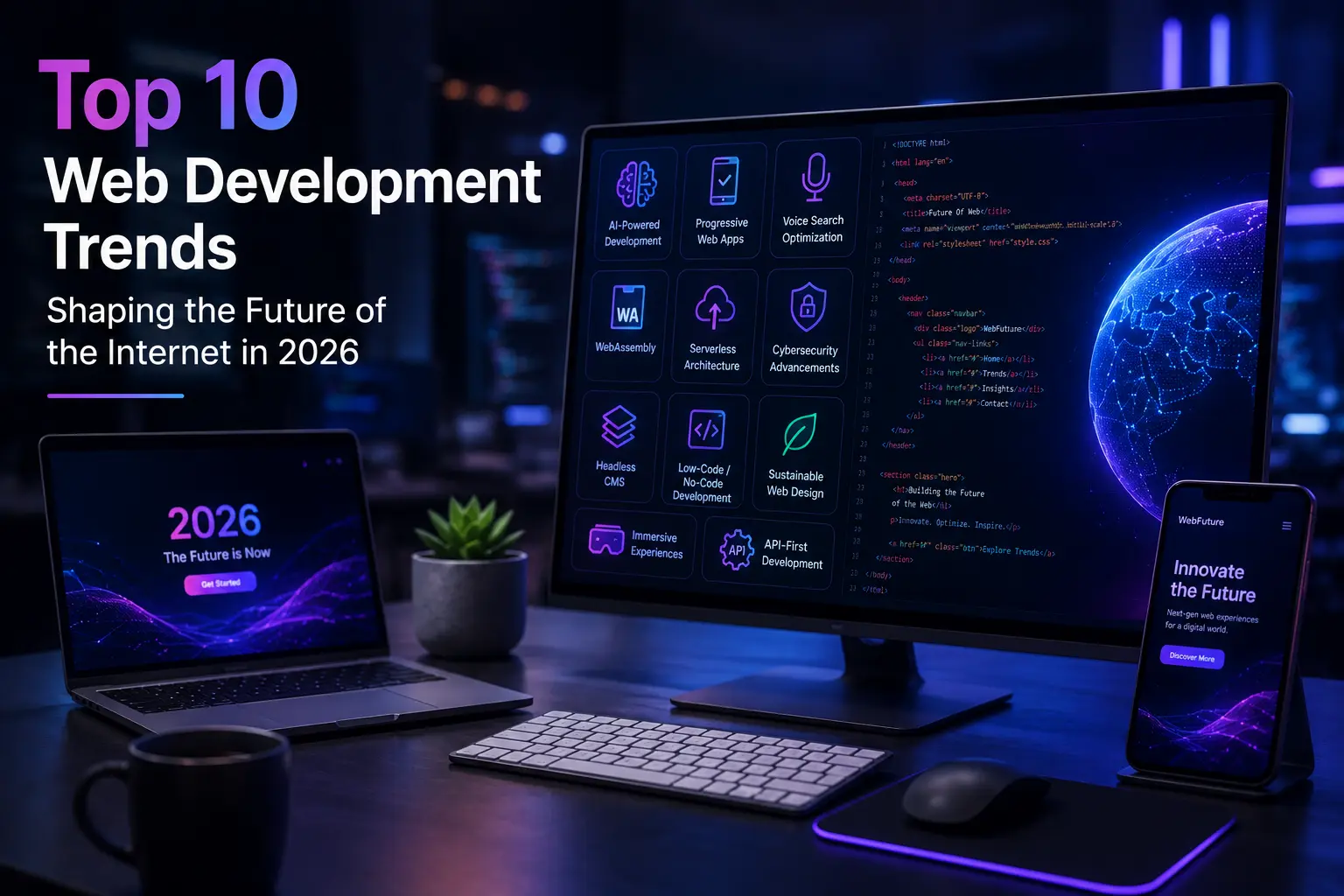

Top 10 Web Development Trends Shaping the Future of the Internet in 2026
The web in 2026 looks nothing like the web of even three years ago. AI is now embedded everywhere. Performance expectations have soared. Accessibility is no longer optional. Users now expect speed, intelligence, and personalisation as default — not as premium features.
In this guide, we’ll explore the ten most important web development trends shaping the future of the internet — and how forward-thinking businesses are using them to gain a competitive edge.
1. AI-Powered User Experiences
AI now sits at the heart of modern web development. From intelligent search and personalised content to chatbots and generative interfaces, AI is reshaping how websites adapt to users in real time. Tools and APIs from companies like OpenAI and Anthropic are increasingly embedded into customer-facing experiences.
2. Headless CMS Architectures
Headless CMS platforms separate content from presentation, allowing one content source to power websites, apps, kiosks, and more. Platforms like Strapi, Sanity, and Contentful are increasingly common in modern stacks.
3. Core Web Vitals as a Universal Standard
Google’s Core Web Vitals — LCP, INP, CLS — have become a baseline standard. Sites failing on performance now lose both rankings and users. Modern frameworks like Next.js and Astro make hitting these benchmarks easier than ever.
4. Accessibility-First Development
WCAG 2.2 is now the global benchmark for accessibility. Beyond compliance, accessible design improves SEO, usability, and brand reputation simultaneously. Every modern build should treat accessibility as foundational, not optional.
5. Progressive Web Apps (PWAs)
PWAs combine the reach of websites with the experience of native apps. They install on home screens, work offline, and load instantly. For e-commerce and content-heavy sites, PWAs deliver significant engagement gains.
6. Server-Side Rendering Comeback
After years dominated by client-heavy single-page apps, server-side rendering is back — driven by frameworks like Next.js and Nuxt. The result: faster initial loads, better SEO, and improved user experience.
7. Component-Based Design Systems
Modern teams build with reusable design systems — collections of components, tokens, and patterns that ensure consistency across products. Tools like Figma and Storybook make this scalable across teams.
8. Edge Computing
Edge networks like Cloudflare Workers deliver dynamic functionality from servers physically close to users — dramatically improving speed and reducing latency. Edge-first thinking is rapidly becoming the new default for global businesses.
9. Privacy-First Web Design
With privacy regulations tightening globally, modern websites are built with consent management, minimal tracking, and privacy-respecting analytics by default.
10. SEO and Performance as Built-In Features
The line between SEO, design, and development has all but disappeared. Modern teams treat SEO, accessibility, and performance as engineering concerns — not post-launch tasks. We integrate this thinking across every Syvera Digital build, from new websites to ongoing SEO optimisation.
Frequently Asked Questions
Do all businesses need AI features now?
Not all — but ignoring AI entirely is increasingly risky.
Is headless CMS overkill for SMEs?
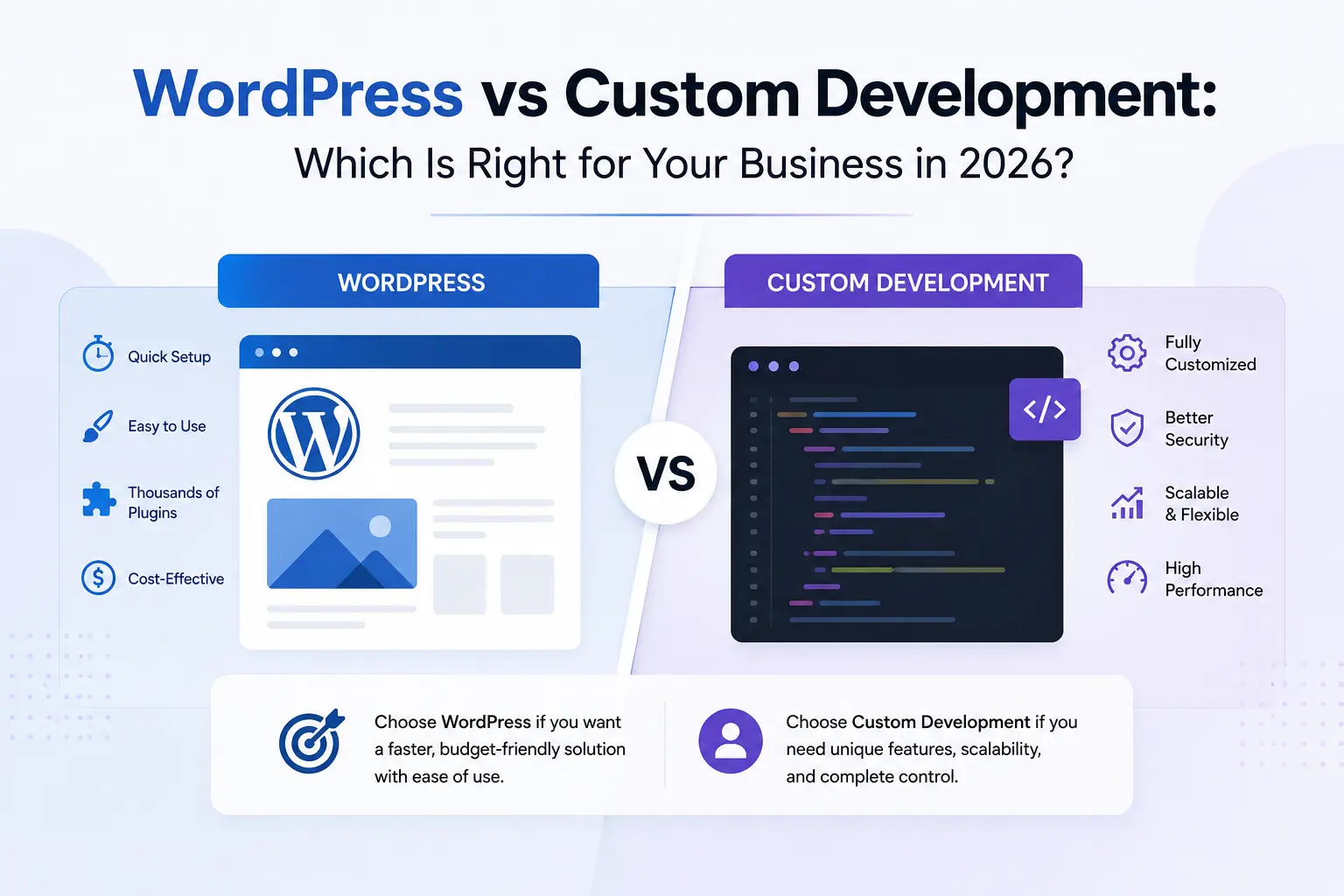
Often yes. Most SMEs are still better served by WordPress or similar.
What’s the most impactful trend for 2026?
AI-driven personalisation and Core Web Vitals — by a clear margin.
Final Thoughts
The future of the web rewards speed, intelligence, and accessibility. If you’d like a development partner who builds for what’s next, book a free consultation and let’s build it together.